
Lower energy bills
Insulating the wall cavity reduces the amount of heat escaping in winter and entering in summer, so your heating and cooling systems work less to maintain a comfortable temperature.
Glen Waverley Wall Insulation
Cavity wall insulation for brick veneer homes in Glen Waverley reduces winter heat loss and summer heat gain through your external walls. We inspect, drill and inject insulation into the cavity to improve thermal resistance without removing cladding.
Share your details and Expert Insulation Melbourne will contact you about Cavity Wall Insulation in Glen Waverley.
Cavity wall insulation fills the gap between the inner and outer leaf of brick veneer walls with a suitable material to slow heat transfer. In Glen Waverley, many postwar and modern brick veneer homes have empty cavities that let cold air in during winter and heated air escape. We assess the wall type, check for moisture issues and then inject insulation through small holes that are patched afterwards.
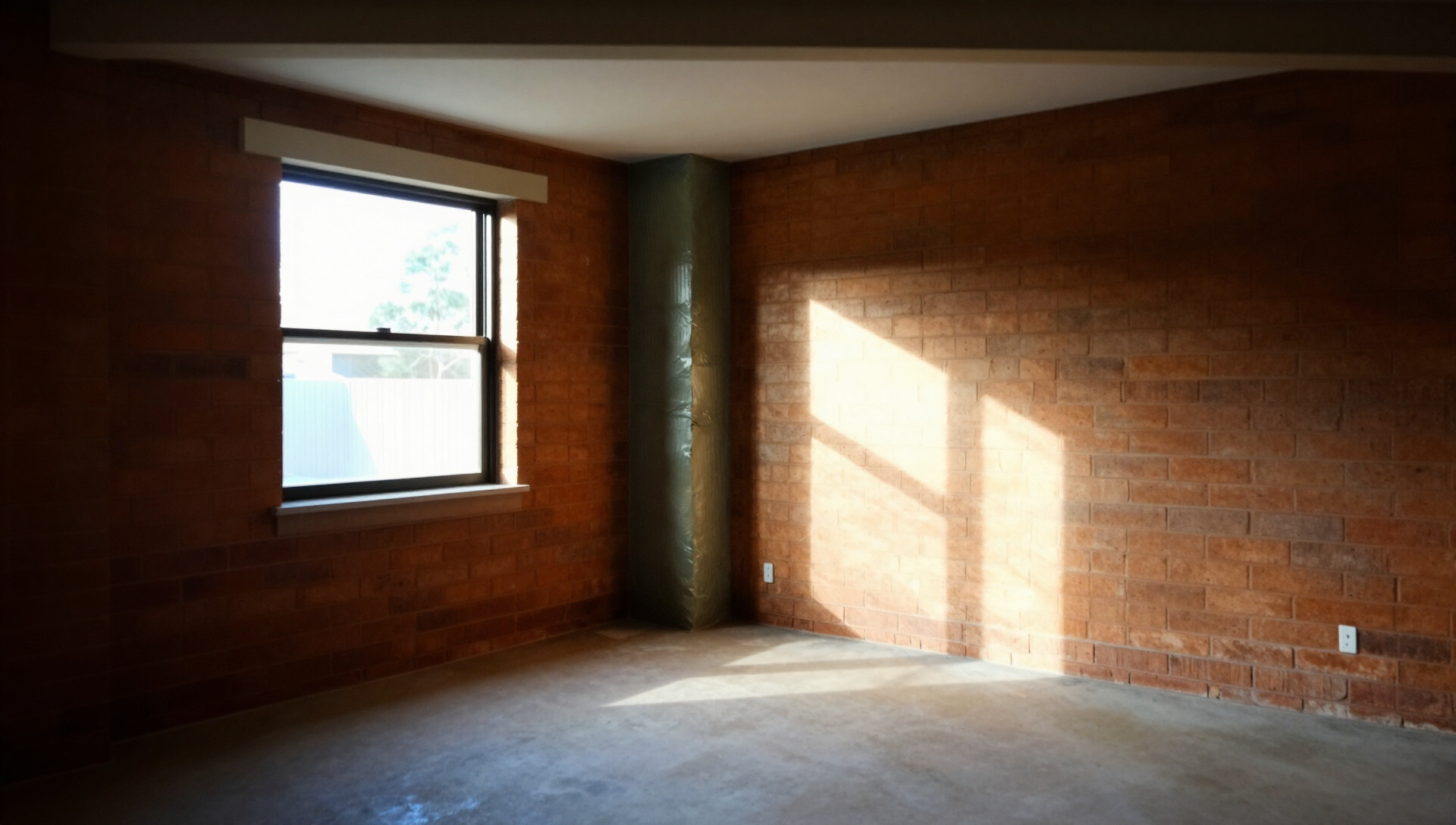
Glen Waverley’s mix of older brick veneer homes and newer builds often have uninsulated wall cavities that contribute to high heating and cooling costs. Filling these cavities addresses a major source of heat loss and gain that ceiling insulation alone cannot fix.
Insulating the wall cavity reduces the amount of heat escaping in winter and entering in summer, so your heating and cooling systems work less to maintain a comfortable temperature.
External walls stay warmer in winter and cooler in summer, eliminating cold spots near windows and outer walls that are common in Glen Waverley homes.
Properly installed cavity insulation helps manage moisture by reducing the temperature difference between the inner and outer wall surfaces, lowering the chance of condensation forming inside the wall.
The process uses small drilled holes in the mortar joints of the outer leaf, so there is no need to strip gyprock or reline walls to add insulation.
Brick veneer homes built from the 1950s onwards typically have a cavity that can be retrofitted with insulation, provided the wall is dry and structurally sound.
Adding cavity wall insulation completes the thermal envelope, reducing heat transfer through walls that ceiling batts and underfloor insulation do not cover.
We follow a methodical approach to ensure the insulation is effective and the wall remains intact. Each step is designed to minimise mess and disruption while maximising thermal performance.
We first confirm the wall type is brick veneer or a suitable double brick construction with a clear cavity. We check for damp, cracks or existing damage that would need addressing before installation.
Small holes are drilled into the mortar joints of the outer brick leaf at regular intervals. These provide entry points for the insulation material without weakening the wall structure.
Using specialised equipment, we inject loose-fill or foam insulation into the cavity through the holes. The material fills the gap evenly without compressing or leaving voids.
Once the cavity is filled, the access holes are sealed with matching mortar to restore the wall’s appearance. We clean up any dust or debris from the site before leaving.
Glen Waverley has a high concentration of brick veneer homes built from the 1960s to the 1990s, many with uninsulated wall cavities. These homes often experience cold internal walls in winter and overheated rooms in summer due to poor thermal resistance in the external walls. Cavity wall insulation is a practical retrofit that improves comfort without major renovations.
Improve thermal performance in brick veneer homes with cavity wall insulation installed by local experts.
Homeowners in Glen Waverley often have questions about whether their walls can be insulated, how long it takes and what to expect. Here are the most common queries we answer on site.
Cavity wall insulation is a cost-effective way to improve the thermal performance of brick veneer homes in Glen Waverley. Many properties in this suburb were built with empty wall cavities, which allow heat to escape in winter and enter in summer. By injecting insulation into these cavities, you can reduce heat transfer through the walls and lower your reliance on heating and cooling systems.
The process is non-invasive and does not require removing internal wall linings. Instead, small holes are drilled into the mortar joints of the outer brick leaf, and insulation is injected into the cavity. This method is particularly suitable for Glen Waverley’s postwar and modern brick veneer homes, where the cavity is typically clear and accessible. It also works well alongside existing ceiling insulation, which primarily addresses heat loss through the roof.
Before installation, we inspect the walls to ensure they are dry and structurally sound. If we find signs of moisture, damp or asbestos in old materials, we stop work and recommend a qualified assessor. Once the cavity is confirmed suitable, the installation usually takes a day, depending on the size of the home and the number of walls being treated. The result is a more energy-efficient home with fewer draughts and more consistent indoor temperatures.
If your Glen Waverley home has brick veneer walls, cavity insulation can cut heat loss and improve comfort. Call us to arrange an inspection and quote.