
Cooler homes in summer
By reflecting radiant heat at the roof and wall surface, sisalation stops heat from entering the building envelope. This means your air conditioner works less, and indoor temperatures stay steadier during heatwaves.
Reflective Foil Insulation
Sisalation is a reflective foil laminate installed under roofing or behind wall cladding to block radiant heat. In Glen Waverley’s hot summers, it keeps homes cooler by reflecting heat before it enters the roof space or wall cavities. We pair it with bulk insulation for maximum thermal resistance.
Share your details and Expert Insulation Melbourne will contact you about Sisalation Insulation in Glen Waverley.
Sisalation is a foil-faced laminate that reflects radiant heat away from your home. In Glen Waverley, where hot northerly winds drive up indoor temperatures, it is installed under metal or tiled roofs and behind wall cladding with an air gap to work effectively. It also helps manage moisture and dust, protecting your roof space and improving the performance of bulk insulation batts.
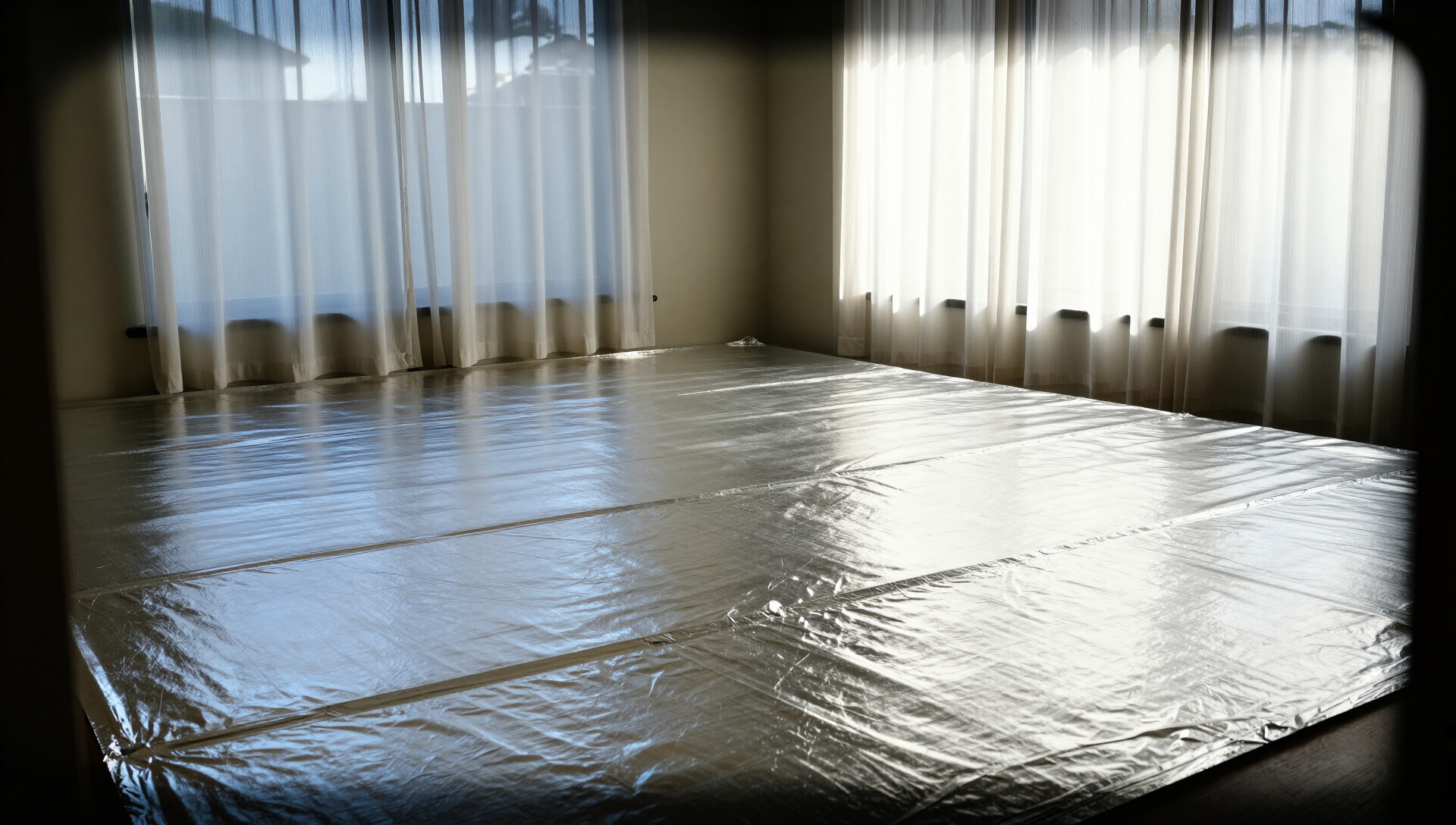
Glen Waverley’s mix of older brick veneer homes and newer builds all face the same problem: intense summer heat penetrating through roofs and walls. Sisalation addresses this directly by reflecting heat away before it can warm the interior, which lowers cooling costs and improves comfort.
By reflecting radiant heat at the roof and wall surface, sisalation stops heat from entering the building envelope. This means your air conditioner works less, and indoor temperatures stay steadier during heatwaves.
Less heat gain means your cooling system runs shorter cycles. Homeowners in Glen Waverley typically see lower electricity usage in summer after installing sisalation with bulk insulation.
The foil layer acts as a barrier against dust and moisture entering the roof space. This protects ceiling batts from compression and mould, extending the life of your insulation system.
Sisalation can be added under the roof even if you already have ceiling batts. The combination of reflective foil and bulk insulation provides better thermal resistance than either product alone.
In homes with exposed rafters or cathedral ceilings, sisalation is often the only practical way to add insulation at the roofline. It fits directly under the roofing material without needing a traditional ceiling space.
Reflective foil does not degrade over time like some bulk materials. Once installed with the correct air gap, it maintains its effectiveness for the life of the building.
Installing sisalation requires precise placement to ensure the foil faces the heat source and maintains an air gap. Our team follows a structured process to achieve this in both roofs and walls.
We check the roof space for access, structural integrity and existing insulation. If old batts are compressed or damaged, we recommend removal before installing sisalation to avoid trapping moisture.
For new roofs or re-roofing, we lay sisalation directly under the roofing material with the foil side facing down. For existing roofs, we can install it over the rafters before adding bulk batts between them.
In wall cavities, sisalation is fitted behind cladding with an air gap. This is typically done during renovations or extensions when walls are open, ensuring the foil reflects heat away from the living space.
All edges are sealed with foil tape to prevent air leakage, and we ensure no gaps around cables or pipes. The final step is adding bulk insulation batts over the sisalation in ceilings or within wall frames.
Glen Waverley’s suburban homes, many with tiled roofs and brick veneer walls, benefit from sisalation’s ability to block radiant heat. The suburb’s exposure to hot northerly winds makes reflective foil a cost-effective upgrade, especially when combined with ceiling batts to achieve higher R-values. Nearby areas like Mount Waverley and Wheelers Hill share similar housing stock and climate, making sisalation a practical choice across the region.
Reflective foil sarking installed under roofs and in walls to reduce summer heat gain in Glen Waverley homes.
Homeowners in Glen Waverley often ask how sisalation compares to other insulation types and whether it can be retrofitted. Here are the key details to help you decide.
Sisalation insulation in Glen Waverley is a reflective foil laminate designed to block radiant heat from entering your home through the roof or walls. Unlike bulk insulation, which traps still air to slow heat transfer, sisalation reflects up to 97% of radiant heat, making it highly effective in Melbourne’s hot summers. In Glen Waverley, where temperatures can soar during heatwaves, this means cooler indoor spaces and lower reliance on air conditioning.
The installation process for sisalation in Glen Waverley depends on whether it is being added to a roof or wall. For roofs, the foil is laid under the roofing material with the shiny side facing the heat source, and an air gap is maintained to allow the reflection to work. In walls, it is placed behind cladding during construction or renovations. In both cases, it is often paired with bulk insulation like glasswool or polyester batts to achieve a higher overall R-value, improving thermal resistance in both summer and winter.
Homes in Glen Waverley with metal or tiled roofs, as well as those with cathedral or raked ceilings, benefit the most from sisalation. It is also useful in brick veneer walls, where it can be installed during renovations to reduce heat gain. The cost of installation varies based on roof pitch, access, and whether existing insulation needs to be removed. Signs your home could benefit include excessive heat in summer, high cooling bills, or a roof space that feels hot to the touch.
Reduce summer heat gain and improve thermal comfort in your Glen Waverley home with sisalation insulation. Our team installs reflective foil with bulk insulation for maximum effectiveness.